Machine families we supply
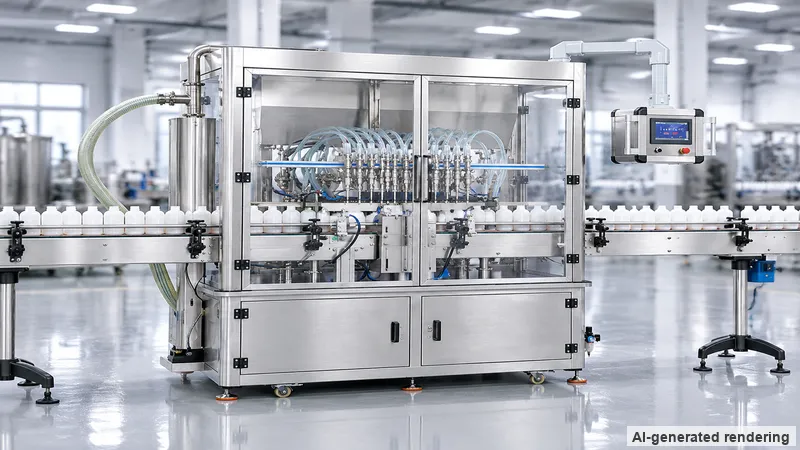
Filling machines
Liquid and paste fillers — servo, piston and gear-pump — matched to your product viscosity and container.
44 published models
Browse family →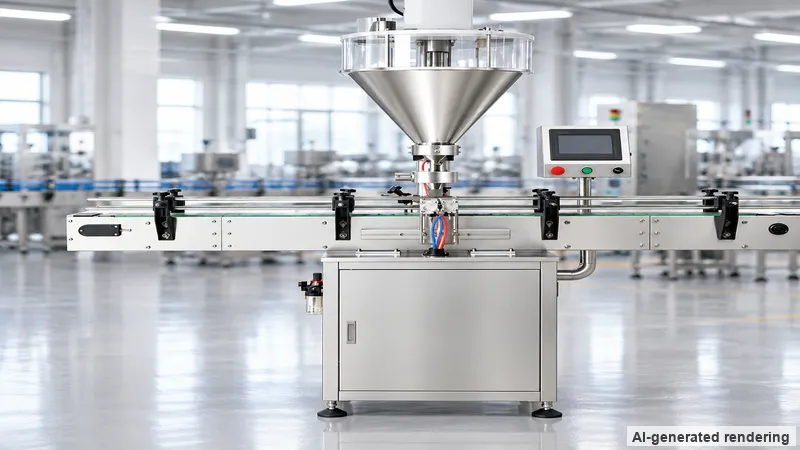
Powder filling
Auger and vacuum powder fillers for flour, milk powder, spices and chemical powders.
9 published models
Browse family →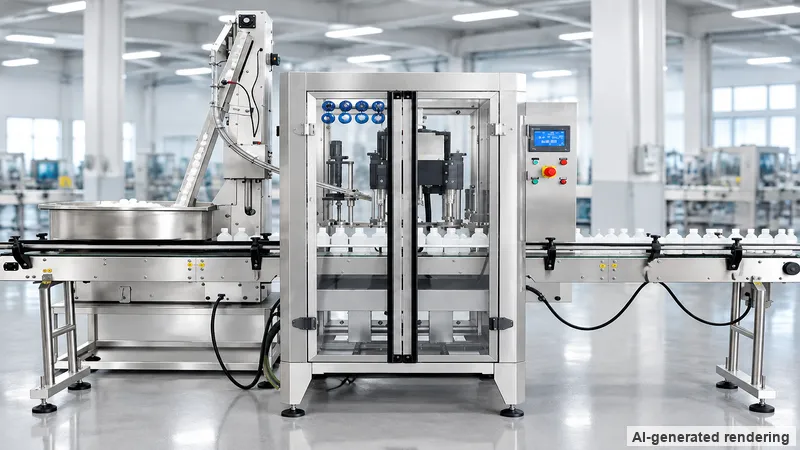
Capping machines
Screw, press-on and ROPP capping heads for bottles and jars, inline or monoblock.
19 published models
Browse family →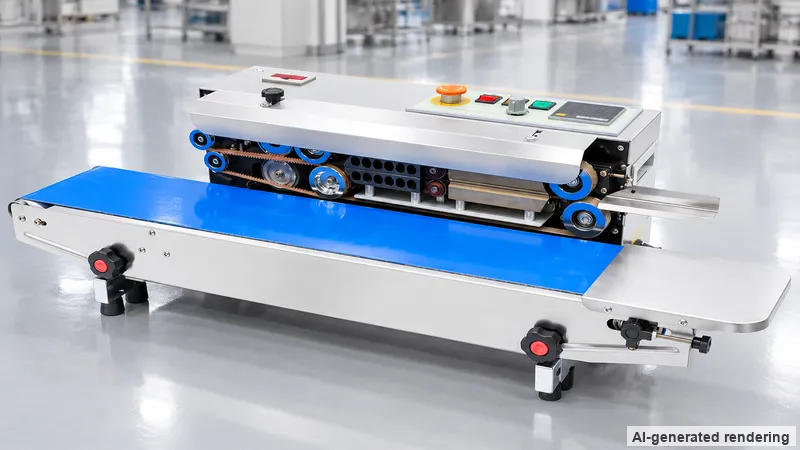
Sealing machines
Continuous band sealers, induction sealers and tube sealing for bags and composite tubes.
16 published models
Browse family →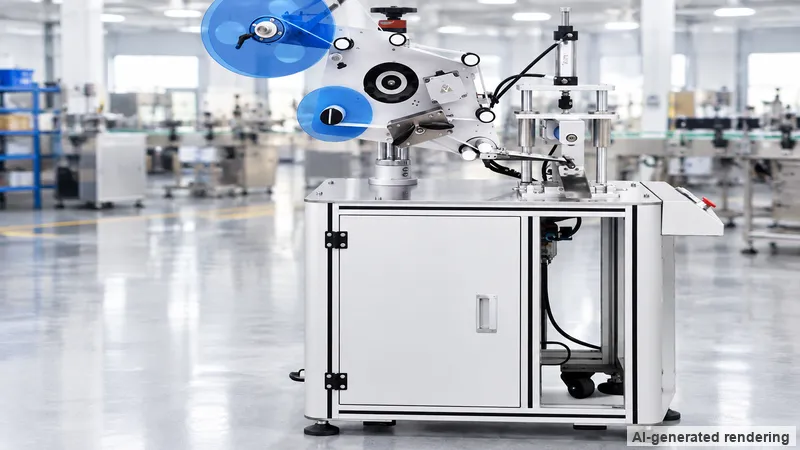
Labeling machines
Flat, round and dual-surface labelers with registration accuracy stated per model.
11 published models
Browse family →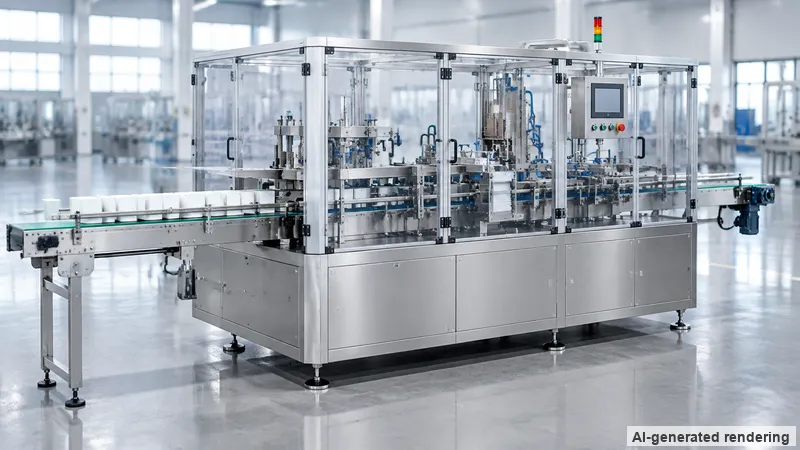
Cartoning machines
Vertical and continuous-motion cartoners for blister, bottle and sleeve cartons.
22 published models
Browse family →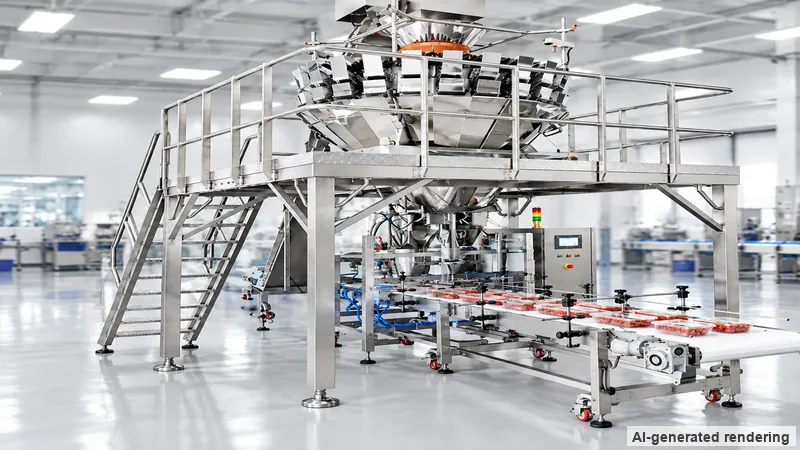
VFFS machines
Vertical form-fill-seal lines for granules, powders and liquids in film packaging.
6 published models
Browse family →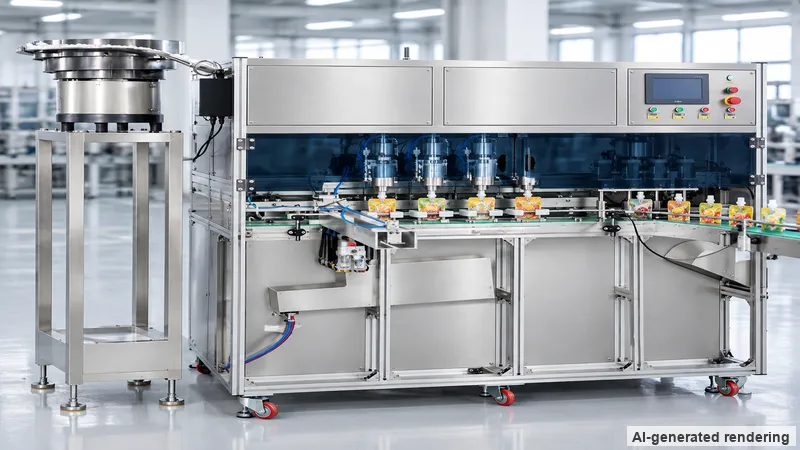
Premade pouch machines
Doypack-style fill-and-seal machines for premade pouches and stand-up bags.
10 published models
Browse family →Shrink wrapping
Sleeve and full-body shrink tunnels for multipacks and transit protection.
Models on request
Browse family →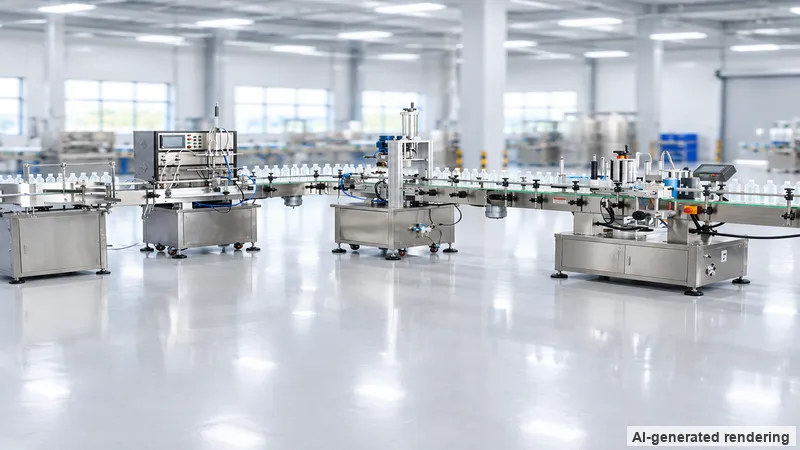
Complete packaging lines
Multi-machine lines engineered around your container, product and target output.
8 published models
Browse family →Equipment & capacity
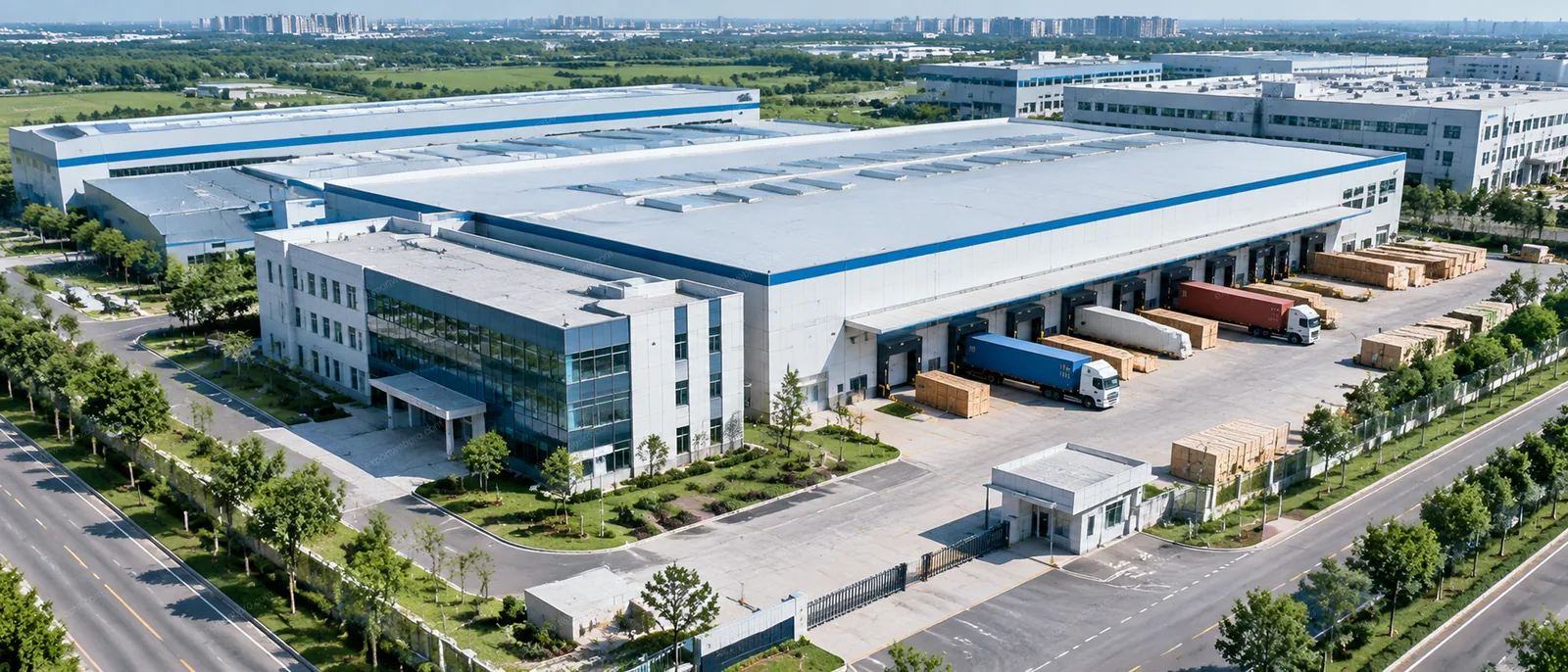
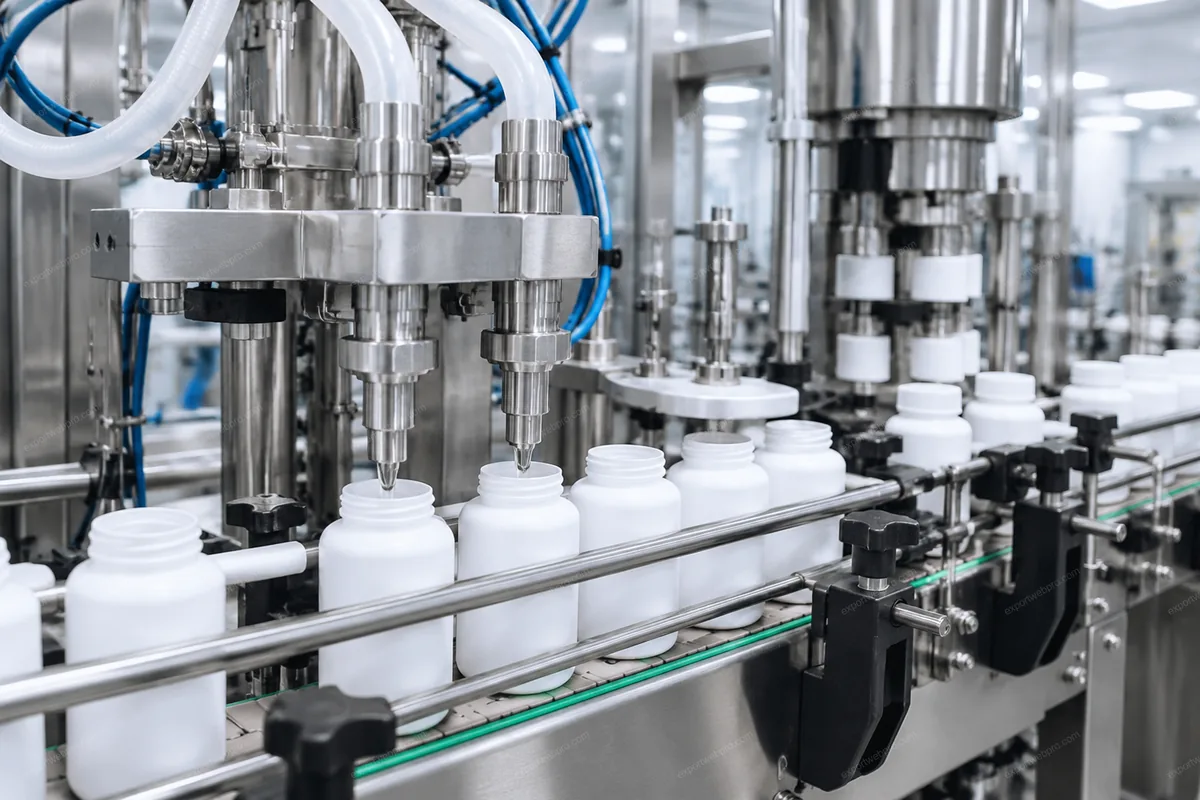
PackHub fulfils orders through own production plus a vetted outsourcing network. Core assembly, wiring and commissioning run in our own works in Hefei, Anhui; partner factories — each reviewed before first order — extend the range across the ten machine families above. This means the catalogue is not capped by a single factory floor: whatever we quote, one counterparty handles verification, QC and export.
The owner-declared facts behind this operation:
- Operating since 2015; works and office in Hefei, Anhui, China.
- Works area 5,000 m²; team of 80+.
- Build capacity around 50 sets per month across machine families; typical lead time 30-45 days — confirmed per order on the quotation.
- Quality system: ISO 9001 and CE; every machine inspected and run-tested before crating.
- Regular export to Southeast Asia, Middle East, South America.
Certification scope, per-line capacity and compliance documentation for a specific model are confirmation items: they are stated on the quotation for the exact machine and configuration you buy, not asserted as blanket claims.
The verification process behind every machine page
- Requirement → machine shortlist — Container, product, fill volume and target speed identify the machine family and 2-3 candidate models.
- Specification verification — Every published figure is checked against the manufacturer parameter table; conflicts are resolved before quoting.
- Supply terms confirmed — Price band, lead time and warranty confirmed with the supplying factory — stated on the machine page.
- Pre-shipment QC and export — Machine inspection before packing, export-grade crating, container loading plan and shipping documents.
Service scope by machine family
These service families describe the information PackHub can structure for a quotation. Project-specific capacity, compliance, lead time and supply terms remain confirmation items until the supplier and buyer approve them.
Filling machine selection
Select liquid, paste, powder or granule filling equipment around product and container constraints.
We map product form, viscosity or particle behaviour, fill volume, container and target output before recommending a filling family.
When this applies
- You know the product (or can send data on viscosity, particles or corrosiveness) and the container it goes into.
- You have a target output in units per minute or per shift, even an approximate one.
- You are comparing filling concepts — servo piston, gear pump, timed flow — rather than asking for one specific model.
Scope
- Application fit review
- Specification comparison
- Supplier question list
What we need from you
- Product form and viscosity (or particle size for particulates)
- Fill volume or range per container
- Container drawing or dimensions, and material
- Target output and shift pattern
What you get
- A written machine shortlist with the assumptions stated
- A side-by-side specification comparison drawn from sourced parameter tables
- A supplier question list covering the points the datasheets do not answer
Verified so far
- Two filling models are published with field-level sourced specifications (fill range, speed, power, dimensions each traced to the manufacturer parameter table).
- One model carries owner-confirmed measured output (40–60 bottles/min at stated viscosity conditions), filling accuracy, 316L contact parts and an FOB price band.
- One model carries a published cash price ($7,255) alongside its sourced specs.
Limits
- Catalogue speeds are condition-dependent (material and bottle size), not guaranteed output.
- Fill accuracy below ±0.5% generally needs a trial with your actual product; it is not asserted from a datasheet.
- Corrosive or solvent-bearing products narrow the safe equipment set — confirm before quoting.
Still unconfirmed
- Lead time is confirmed for one model only (25–35 days); the rest remain quotation items.
- Site installation, commissioning and operator training are not part of the stated service scope.
Confirm before quoting
- Product and container material must be confirmed for every project.
- Contact-part finish and cleanability are quote-confirmed.
- Fill accuracy and repeatability require a product-specific trial.
Buyer question
What should I provide for a filling-machine shortlist? Product form, viscosity or particle size, fill range, container drawing and target output.
Powder filling machine selection
Compare auger and other powder-filling approaches against powder behaviour, dose and container.
Powder flow, bulk density, dust control and dose range determine whether a powder-filling concept is workable.
When this applies
- Your product is a free-flowing or semi-free-flowing powder (flour, milk powder, spices, chemical powders).
- Dose is by weight or volumetric approximation and you can state the target and tolerance.
- Dust control or hygienic design is a requirement, not an afterthought.
Scope
- Powder characteristic checklist
- Dose and container review
- Changeover questions
What we need from you
- Powder description and bulk density if known
- Target dose and tolerance
- Container type, diameter and height
- Dust and hygiene constraints
What you get
- A powder characteristic checklist to complete before quoting
- A dose-and-container feasibility note with the stated assumptions
- A shortlist with changeover and tooling questions for the supplier
Verified so far
- One powder filling model is published with five sourced specification fields (speed, container range, power, dimensions, price).
Limits
- Published dose performance assumes the test powder; your bulk density will move it.
- Very fine or aerated powders may need vacuum or auger tooling not shown in catalogue configurations.
Still unconfirmed
- No owner-confirmed dose accuracy exists for this family — accuracy must come from a trial with your powder.
- Lead time and an owner-confirmed price band are quotation items.
Confirm before quoting
- Powder formulation and contact materials require confirmation.
- Hygiene and finish requirements are project-specific.
- Dose performance must be validated with the actual powder.
Buyer question
Can a catalogue speed be treated as guaranteed output? No. Confirm output with the actual powder, dose and container.
Capping machine selection
Match cap style, neck finish, container and torque requirements to a capping method.
Capping selection starts with closure geometry and torque requirements, then checks container handling, speed and changeover.
When this applies
- You have the closure (screw, press-on, ROPP) and its drawing, or can obtain the neck finish specification.
- Torque window or removal torque matters to your product (leak prevention, tamper evidence).
- Capping is a standalone purchase or part of a line you are scoping.
Scope
- Closure compatibility review
- Torque and speed questions
- Tooling and changeover checklist
What we need from you
- Cap drawing and neck finish (GPI or equivalent)
- Torque application/removal window
- Container dimensions and material
- Target speed and changeover frequency
What you get
- A closure compatibility review against candidate capping methods
- A torque and speed question set for supplier conversations
- A tooling and change-part checklist priced separately in the quotation
Verified so far
- The published filling-and-capping monoblock carries sourced cap-size (bottle diameter 18–70 mm) and container-range fields for the capping station.
Limits
- No capping model is published in the catalogue yet, so no model-level specification claims are made for this family.
- Torque performance cannot be asserted without a closure-specific test.
Still unconfirmed
- No standalone capping machine has catalogue-level verified specifications yet.
- Capper lead time and price band are quotation items.
Confirm before quoting
- Cap and container materials must be supplied with the closure drawing.
- Contact and hygienic requirements are quote-confirmed.
- Torque repeatability requires a closure-specific test.
Buyer question
What makes a capping quote comparable? Cap drawing, neck finish, torque window, speed target and change-part scope.
Sealing machine selection
Choose band, induction, tray or tube sealing around package material and seal requirements.
Film, tray, foil, tube and product conditions determine the sealing method and the tests needed before purchase.
When this applies
- Your package is a bag, film-lidded tray, foil-sealed bottle or tube, and you know its construction.
- Seal integrity (leak path, peel strength, induction foil compatibility) is a purchase criterion.
- Throughput is expressed in bags per minute or sealing speed in m/min.
Scope
- Package and seal review
- Material compatibility questions
- Seal-test acceptance checklist
What we need from you
- Package construction (film layers, foil thickness, tray material)
- Seal width and integrity requirement
- Container or bag dimensions
- Target throughput
What you get
- A sealing-method recommendation with the material assumptions stated
- A material compatibility question set for the supplier
- A seal-test acceptance checklist to attach to the purchase contract
Verified so far
- Two sealing models are published: a continuous band sealer (speed, power, dimensions sourced; published price $288) and an induction sealer (cap size, container range, power, dimensions and price $679.20 sourced).
Limits
- Published sealing speed is conditional on material, temperature and package geometry.
- Seal quality is proven on your package, not on the supplier's test sample.
Still unconfirmed
- No owner-confirmed seal-integrity data exists for this family; acceptance is by your package trial.
- Lead time for both models is a quotation item.
Confirm before quoting
- Film, tray, foil or tube construction must be confirmed.
- Seal-surface and contact requirements are application-specific.
- Seal integrity must be verified on the production package.
Buyer question
Do published sealing speeds prove seal quality? No. Speed is conditional on material, temperature and package geometry.
Labeling machine selection
Match label format, container geometry, registration and line integration requirements.
Label dimensions, container shape, application position and line speed define the practical labeling shortlist.
When this applies
- You have the final label artwork or die line and the container it wraps or adheres to.
- Placement accuracy matters (front/back registration, wrap-around seam alignment).
- You need flat-surface, round-bottle or top-and-bottom application and know which.
Scope
- Label and container review
- Registration questions
- Integration checklist
What we need from you
- Label die line and stock (paper/film, adhesive)
- Filled container sample or dimensions
- Application position and orientation
- Target speed and line interface
What you get
- A labeling-method shortlist matched to container geometry
- A registration and sensor question set
- An integration checklist covering infeed, coding and outfeed
Verified so far
- Both labeling models are published with five sourced specification fields each, plus owner-confirmed supply facts: measured output on real containers (40–60 and 30–50 pcs/min at stated conditions), labeling accuracy (±1.0 mm standard, ±0.5 mm with optional vision positioning), FOB price bands and lead time (15–20 days, standard units in stock).
- Published web prices exist for both models ($3,399 round-bottle; $6,840 flat-surface without date printer).
Limits
- Placement tolerance must be agreed against the actual container; catalogue accuracy figures assume flat, uniform surfaces.
- Transparent or clear-on-clear labels constrain the sensor type — flag this early.
Still unconfirmed
- Placement accuracy is owner-confirmed for standard self-adhesive labels; clear-on-clear or unusual containers still need a trial.
- Warranty includes remote video commissioning support; on-site commissioning is not part of the stated service scope.
Confirm before quoting
- Label stock, adhesive and container surface need confirmation.
- Surface and environmental conditions are project-specific.
- Placement tolerance must be agreed against the actual container.
Buyer question
What should a labeling trial include? The final label stock, filled container, orientation and target speed.
Cartoning machine selection
Compare cartoning concepts against carton format, product handling and line speed.
Carton dimensions, opening style, product presentation and upstream/downstream interfaces drive cartoner selection.
When this applies
- You have final carton drawings (blank and erected) and know the closure method (hot melt, tuck, lock).
- Product presentation (blister, bottle, sleeve, multi-item) is defined or can be mocked up.
- Speeds of up to roughly 60 cartons per minute cover your requirement.
Scope
- Carton format review
- Product handling assessment
- Line interface checklist
What we need from you
- Carton blank drawing, board grade and closure method
- Product dimensions, orientation and feeding method
- Line interfaces (upstream product flow, downstream case packing)
- Utilities available at the installation site
What you get
- A cartoner concept recommendation (vertical vs continuous motion) with reasoning
- A carton format and board review with supplier questions
- A line interface checklist for the quotation
Verified so far
- Two cartoner models are published with sourced speed, carton size range, power and footprint (Econocorp Econo-60 continuous motion and V-System vertical).
Limits
- Carton board quality and die-cut consistency visibly affect machine performance; unconfirmed board specs are the most common project blocker.
- Both published cartoner models are quote-only on price — budgeting requires a quotation.
Still unconfirmed
- Prices are not published for either model (quote-only manufacturer); lead time is likewise a quotation item.
- No owner-confirmed running data exists for this family.
Confirm before quoting
- Carton board, closure and product presentation must be confirmed.
- Machine finish and washdown requirements are quote-confirmed.
- Carton and product dimensional tolerances require trial validation.
Buyer question
What blocks a cartoner project most often? Unconfirmed carton drawings, product orientation and line-interface assumptions.
VFFS machine selection
Select a vertical form-fill-seal concept around film, product, bag format and output.
Product flow, film structure, bag dimensions and sealing conditions must be reviewed together rather than as isolated catalogue fields.
When this applies
- Your package is made from a reel of film on the machine (pillow bags, gusseted, stick packs).
- You can supply film structure and sealing-layer data.
- Dosing is by auger, cup or weigher and you know which suits the product.
Scope
- Film and bag review
- Product dosing interface
- Seal and output questions
What we need from you
- Film structure, thickness and width
- Product flow characteristics and bulk density
- Target bag dimensions and format
- Output target in bags per minute
What you get
- A film-and-bag feasibility review
- A dosing-method recommendation with its assumptions
- A supplier question set covering seal jaws, film tracking and changeover
Verified so far
- Seven VFFS-family machines are published with field-level sourced specifications (dose range, speed, bag dimensions, power traced to the manufacturer parameter table), each on its own page.
Limits
- Published VFFS-family machines cover stick pack, powder sachet, tea bag and weigher-led formats; bag performance (seal strength, appearance, drop test) still requires a production-like trial on your film and product.
- Bag performance (seal strength, appearance, drop test) requires a production-like trial on your film and product.
Still unconfirmed
- Machine availability, price band and lead time for this family are entirely quotation items.
- Dosing accuracy claims must come from a trial, not from any published figure.
Confirm before quoting
- Film structure and product characteristics require confirmation.
- Hygiene and washdown requirements depend on the product.
- Bag dimensions and seal performance require a production-like trial.
Buyer question
Is a VFFS speed rating universal? No. It depends on product, bag size, film and dosing method.
Premade pouch machine selection
Match premade pouch format, filling method, closure and output to the line concept.
Pouch dimensions, zipper or spout features, filling method and presentation determine the machine configuration.
When this applies
- Your package is a premade pouch or stand-up bag (doypack), possibly with zipper or spout.
- You can supply final pouches and product samples for a trial.
- Output is in the tens of pouches per minute, not thousands.
Scope
- Pouch format review
- Filling and sealing interface
- Changeover checklist
What we need from you
- Final pouch samples (all formats), including zipper/spout variants
- Product samples and fill weight
- Closure method (heat seal, zipper, spout cap)
- Output target
What you get
- A pouch-format compatibility review
- A filling-and-closing configuration recommendation
- A sample-trial plan with acceptance criteria
Verified so far
- Two premade-pouch machines are published with field-level sourced specifications (fill range, accuracy, speed, pouch dimensions traced to the manufacturer parameter table); the sample-trial plan remains the acceptance gate.
Limits
- Published premade-pouch machines cover spout pouch doypack and auger-filled stand-up formats; pouch stiffness and reclosability features still strongly affect machine compatibility — samples decide.
- Pouch stiffness and reclosability features strongly affect machine compatibility; samples decide.
Still unconfirmed
- Machine availability, price band and lead time are quotation items.
- Seal and zip performance claims must come from the sample trial.
Confirm before quoting
- Pouch laminate, zipper, spout and product need confirmation.
- Contact-part and hygiene requirements are project-specific.
- Pouch handling and seal quality require sample trials.
Buyer question
What samples are needed? Final pouch formats, product samples and the target fill and seal conditions.
Shrink-wrapping machine selection
Choose sleeve or full-body shrink equipment around pack format, film and heat constraints.
Pack dimensions, film type, tunnel conditions and desired presentation determine the shrink-wrapping concept.
When this applies
- You are bundling multipacks or adding transit/retail shrink around a fixed pack array.
- Film type (POF, PE, PVC) is chosen or the application constraint is known (e.g., food contact).
- Heat sensitivity of the product or pack is characterized.
Scope
- Pack and film review
- Tunnel and heat questions
- Line integration checklist
What we need from you
- Pack array dimensions and weight
- Film type and gauge
- Product heat sensitivity limits
- Line speed and sealing bar or sleeve format
What you get
- A sleeve vs full-body recommendation with film suggestions
- A tunnel and heat question set
- A sample-test plan covering appearance and pack integrity at speed
Verified so far
- No shrink-wrapping model carries catalogue-level verified specifications yet; selection support is framework-based.
Limits
- No shrink-wrapping model is published in the catalogue yet — no model-level specification claims are made for this family.
- Shrink appearance is a sampled result; it cannot be guaranteed from tunnel specifications.
Still unconfirmed
- Machine availability, price band and lead time are quotation items.
- Finished appearance and seal integrity must be proven on your pack and film.
Confirm before quoting
- Film type and pack construction must be confirmed.
- Machine finish and environment requirements are quote-confirmed.
- Shrink appearance and pack integrity require sample testing.
Buyer question
What must be tested before purchase? Film, pack arrangement, tunnel settings and the finished appearance at target speed.
Packaging line design and integration
Scope interfaces, throughput assumptions and acceptance evidence for a multi-machine line.
Line design starts with product flow, container and pack formats, target output, utilities and the boundary between each machine.
When this applies
- You need two or more machines working as one line (fill → cap → label is the published reference case).
- You can state a target output and accept that line throughput is a system result, not the sum of nameplate speeds.
- Utilities (power, compressed air) at the installation site are known or can be confirmed.
Scope
- Line-layout review
- Interface and utility checklist
- FAT/SAT preparation questions
What we need from you
- Product and package formats across the whole line
- Target output and shift pattern
- Site utilities and floor space
- Acceptance criteria you intend to hold the line to
What you get
- A line-layout review with per-station boundaries stated
- An interface and utility checklist per station
- An acceptance-test protocol draft to attach to the contract
Verified so far
- The published reference line (filling-capping-labeling monoblock) carries six sourced specification fields plus ten owner-confirmed supply facts, including measured output conditions, filling accuracy by volume range, lead time (35–45 days including commissioning) and a published configuration price ($13,999.99 for the 4-nozzle configuration).
- Per-station container ranges and dimensions for filler, capper and labeler are individually sourced on that model's page.
Limits
- Line throughput depends on the slowest station and the changeovers between them; component datasheets do not add up to a line guarantee.
- Acceptance criteria must be agreed before manufacture, not discovered at commissioning.
Still unconfirmed
- Lead time is owner-confirmed for the reference line only; any other line configuration is a quotation item.
- On-site installation after commissioning, and multi-supplier line integration (mixing brands), are not claimed capabilities.
Confirm before quoting
- Product, package and material-flow assumptions must be documented.
- Hygiene zoning and machine finish depend on the application.
- Line throughput is a system result and needs an agreed test protocol.
Buyer question
What belongs in an integration RFQ? Layout, utilities, interfaces, product and package samples, output target and acceptance criteria.
What you get as a buyer
- A written quotation with the assumptions stated, comparable across suppliers.
- Pre-shipment machine inspection — running video and parameter check before the balance payment.
- Export-grade crating and a container loading plan, handled by PackHub.
- One counterparty for machines, spare parts and shipping documentation.