
How a premade pouch project is decided
- Pouch format first — Flat pouches, stand-up doypacks, zipper reclosability and spout caps each demand different bag handling — the final premade pouch (all formats you intend to run) decides the machine, because premade machines carry finished bags, not film.
- Filling method follows the product — Auger dosing for powders, weighers for granules, pumps for liquids; the filler is matched to bulk density and fill weight, and the rotary or linear bag-carrier set around it.
- Trial before commitment — Pouch stiffness and reclosability features strongly affect machine compatibility — a sample trial on your final pouches and product is the acceptance gate, not a brochure figure.
The deciding inputs are the same across configurations: final pouch samples in every format, product samples with fill weight, closure method, and output target. Our longer guides cover the trade-offs in detail:
Configuration descriptions above are cross-checked against the manufacturer parameter tables behind our published machines (ZONESUN) and against our own published guides. Model-level performance figures are not asserted from marketing pages; they come only from a machine's own parameter table, and catalogue speeds are condition-dependent (product, pouch format), not guaranteed output.
Pouch material compatibility and what to confirm with your pouch supplier
Unlike a VFFS line, a premade-pouch machine buys its package ready-made — so the "film compatibility" question becomes a pouch-supplier question, and the machine's grippers, opening jaws and fill stations must accept that pouch. The checklist below is what we work through before recommending a configuration; the published food-contact materials guide covers the regulatory layer:
- Pouch format fit — doypack, flat three-side-seal, spout pouch, stand-up with zipper; each needs its own opening and gripper arrangement.
- Pouch dimensions — width and length range against the machine's stated pouch size window (the published bag-feeding machine states 100–260 mm × 110–500 mm).
- Pouch stiffness — a pouch too limp for the grippers or too stiff for the magazine causes misfeeds; stiffness comes from laminate thickness and layer count.
- Laminate structure — PET/AL/PE foils, VMPET barriers and mono-PE recyclable structures each open and reseal differently; confirm the structure with the pouch supplier by name.
- Zipper closure — press-to-close zippers need a pressing station above the seal; slider zippers complicate the magazine further.
- Spout pouches — a spout pouch is filled through the spout and capped, which is a different machine class entirely (our published four-head spout-pouch monoblock is that class).
- Reclosable vs single-dose — single-dose pouches can skip the zipper station and run faster; confirm whether the station can be bypassed, not just removed.
- Pouch bottom shape — round-corner versus square-corner doypacks seat differently in the clamp; round corners are the safer default.
- Peelability — easy-peel sealant layers tear differently under the machine's handling; confirm the pouch survives gripper forces with the supplier.
- Print and registration — pouches fed from a magazine are pre-made, so registration sensing applies to upstream printing, not the machine; misaligned pouch batches are a supplier issue.
- Fill-product interaction — dusty, fatty or sticky products contaminate the sealing area between fill and final seal; anti-contamination features belong in the specification.
- Food-contact and migration compliance — the pouch supplier's declarations for the destination market, independent of the machine builder.
- Pouch supply stability — a magazine-fed machine is only as reliable as the pouches; flag single-source pouch suppliers before committing output figures.
Changeover and running multiple products
The premade-pouch family's appeal is shelf presentation; its running cost is changeover. A pouch change means a new magazine plate or gripper set, an opening-width adjustment and often a fill-station re-tooling — more mechanical work than a film-spool change on a VFFS machine. Points we confirm per model before quoting changeover time:
- Tooling scope per pouch format — which parts are exchanged and which are adjusted; recipe recall does not move grippers by itself.
- Fill-station re-tooling — a product change from powder (auger) to liquid (pump) is a station swap on multi-function machines, not a setting change.
- Changeover time in your mix — two pouch formats and two products can mean four changeover states; the published speed range (10–50 bags/min on our bag-feeding model) describes one state, not your weekly average.
- Spare grippers and seals — gripper pads, opening suction cups and final-seal jaw faces are the family's wear parts; they belong on the first spares order.
- Operator skill — magazine loading and jam clearance are the two daily skills; training at commissioning should cover both, per our maintenance and spares guide.
Published machines in this family
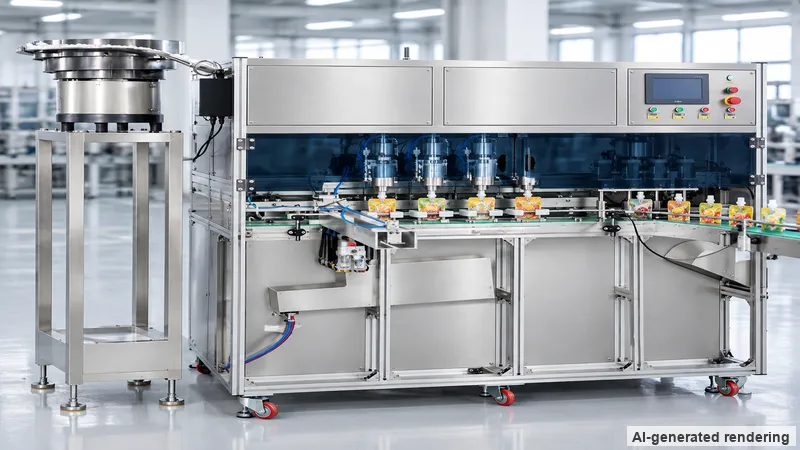
Product family
ZONESUN ZS-ASPM4 Automatic 4-Head Spout Pouch Doypack Filling Capping Machine
Model ZS-ASPM4
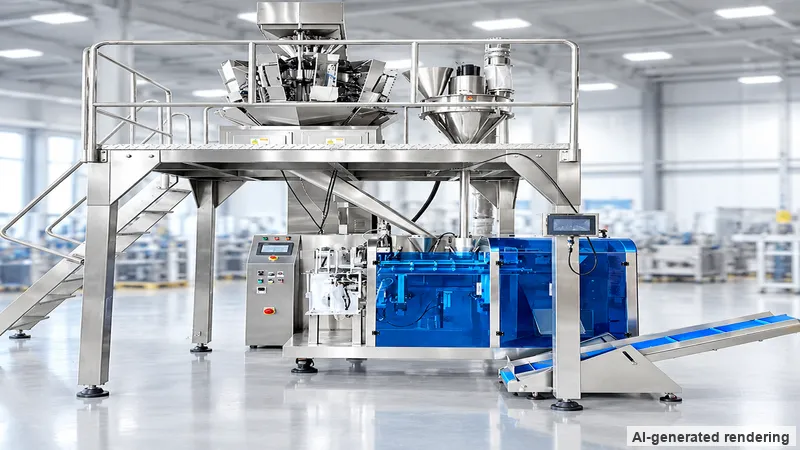
Product family
ZONESUN ZS-GW260D Automatic Premade Pouch Packaging Machine
Model ZS-GW260D
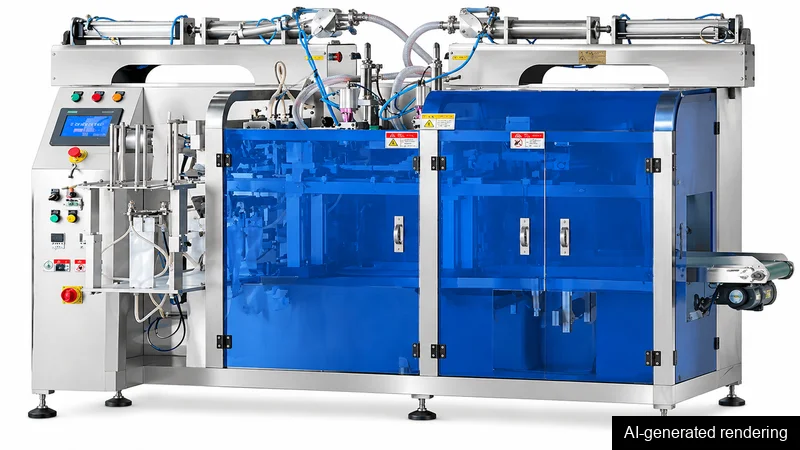
Product family
ZONESUN ZS-AFS03 Horizontal Premade Pouch Fill and Seal Machine
Model ZS-AFS03
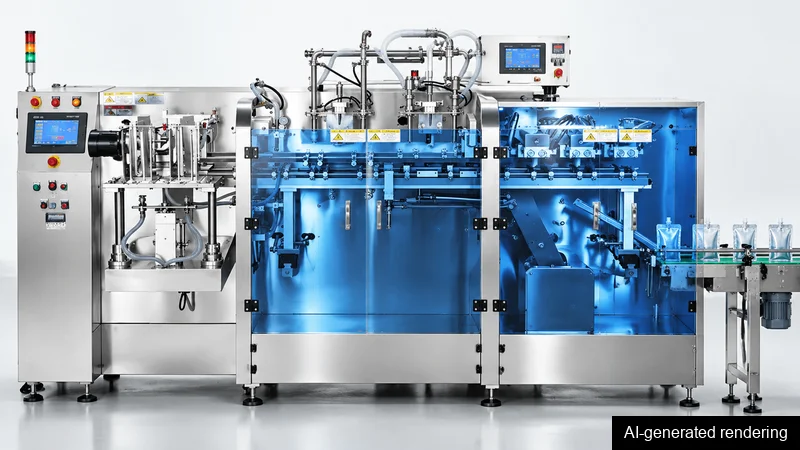
Product family
ZONESUN ZS-AFS03L Liquid Pouch Filler and Sealer for Milk, Juice and Energy Drink Packaging
Model ZS-AFS03L
Product family
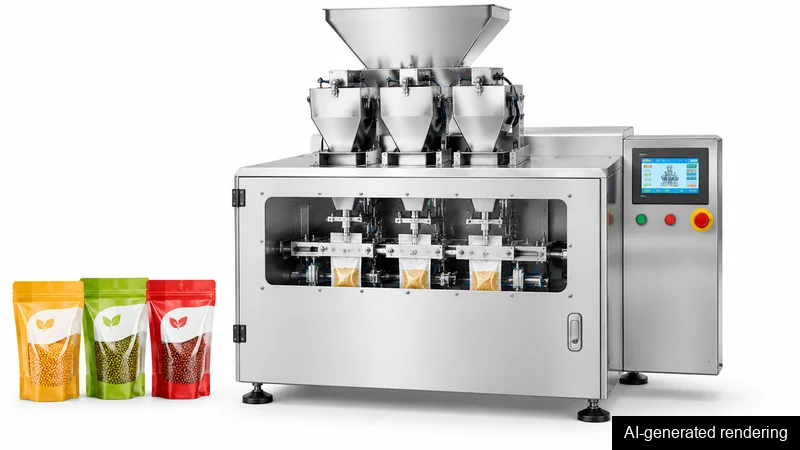
ZONESUN ZS-AFS04 Automatic Premade Pouch Granule Filling Sealing Machine
Model ZS-AFS04
Product family
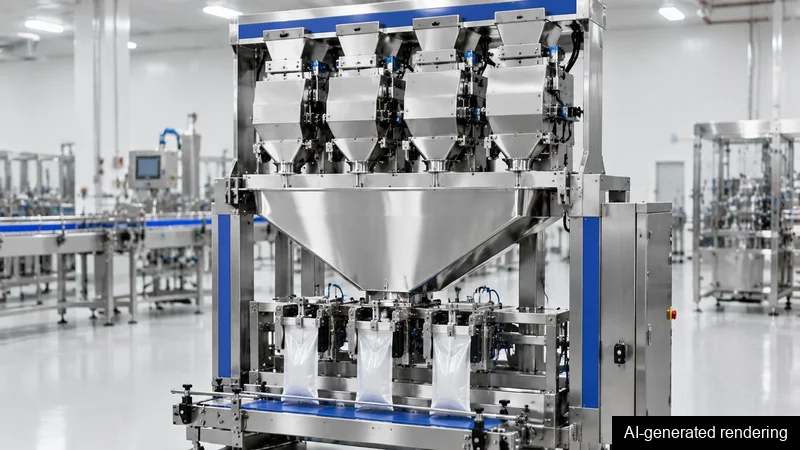
ZONESUN AFS04W 4-Head Linear Weigher Premade Pouch Packaging Machine
Model ZS-AFS04W
Product family
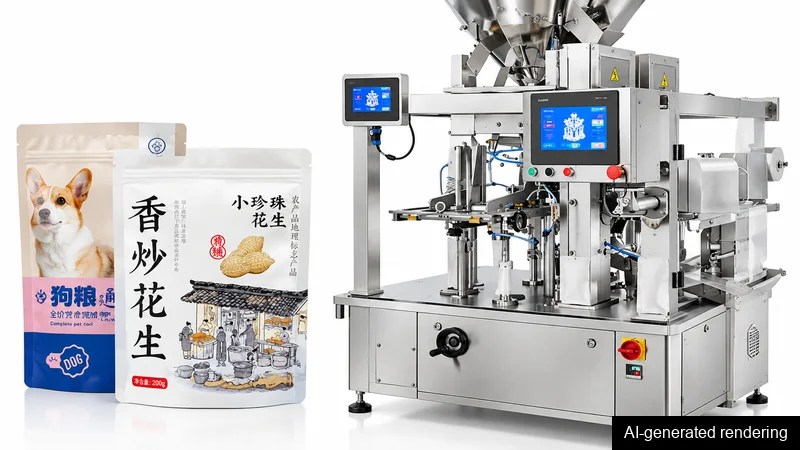
ZONESUN ZS-AFS08K6 Automatic Rotary Premade Pouch Filling Sealing Machine
Model ZS-AFS08K6
Product family
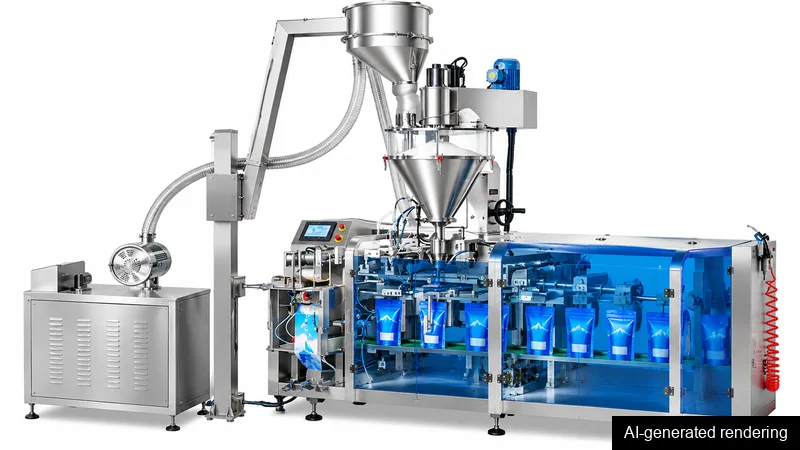
ZONESUN ZS-AFS210 Automatic Powder Pouch Bag Filling Sealing Machine
Model ZS-AFS210
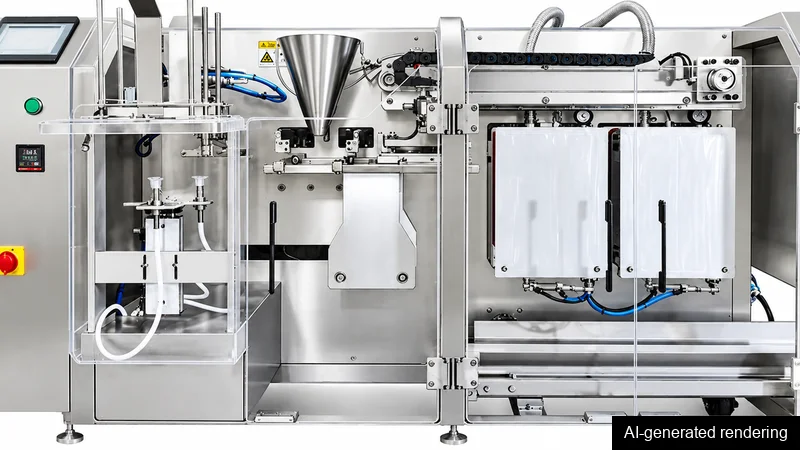
Product family
ZONESUN ZS-AFS210V Automatic Premade Pouch Vacuum Sealing Packaging Machine
Model ZS-AFS210V
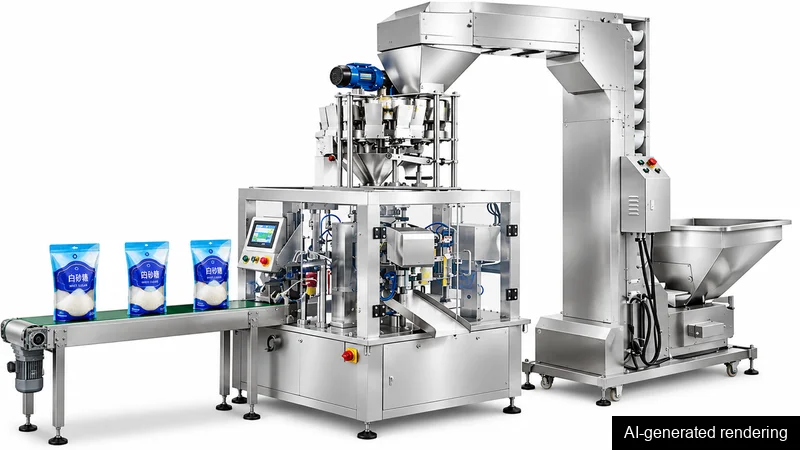
Product family
ZONESUN ZS-FM80 6-Station Premade Pouch Packaging Machine (Elevator, Cup Filler and Bagging Modules)
Model ZS-FM80
Every machine above is published with field-level sourced specifications (fill range, accuracy, speed, pouch dimensions traced to the manufacturer parameter table) on its own page, alongside its published price where one exists.
What we need to quote a premade pouch machine
- Final pouch samples (all formats), including zipper/spout variants
- Product samples and fill weight
- Closure method (heat seal, zipper, spout cap)
- Output target
Scope, limits and what stays unconfirmed
Pouch dimensions, zipper or spout features, filling method and presentation determine the machine configuration.
When this applies
- Your package is a premade pouch or stand-up bag (doypack), possibly with zipper or spout.
- You can supply final pouches and product samples for a trial.
- Output is in the tens of pouches per minute, not thousands.
Limits
- Published premade-pouch machines cover spout pouch doypack and auger-filled stand-up formats; pouch stiffness and reclosability features still strongly affect machine compatibility — samples decide.
- Pouch stiffness and reclosability features strongly affect machine compatibility; samples decide.
What you get
- A pouch-format compatibility review
- A filling-and-closing configuration recommendation
- A sample-trial plan with acceptance criteria
Verified so far
- Two premade-pouch machines are published with field-level sourced specifications (fill range, accuracy, speed, pouch dimensions traced to the manufacturer parameter table); the sample-trial plan remains the acceptance gate.
Still unconfirmed
- Machine availability, price band and lead time are quotation items.
- Seal and zip performance claims must come from the sample trial.
Confirm before quoting
- Pouch laminate, zipper, spout and product need confirmation.
- Contact-part and hygiene requirements are project-specific.
- Pouch handling and seal quality require sample trials.
Buyer question
What samples are needed? Final pouch formats, product samples and the target fill and seal conditions.
Supply through own production plus outsourcing
PackHub fulfils premade pouch requirements through own production plus a vetted outsourcing network, so the family is not capped by a single factory floor. Standalone doypack fill-seal machines, spout pouch configurations and pouch lines integrated with upstream dosing are all quotable; whichever factory builds it, PackHub stays the one counterparty for specification verification, pre-shipment inspection and export.